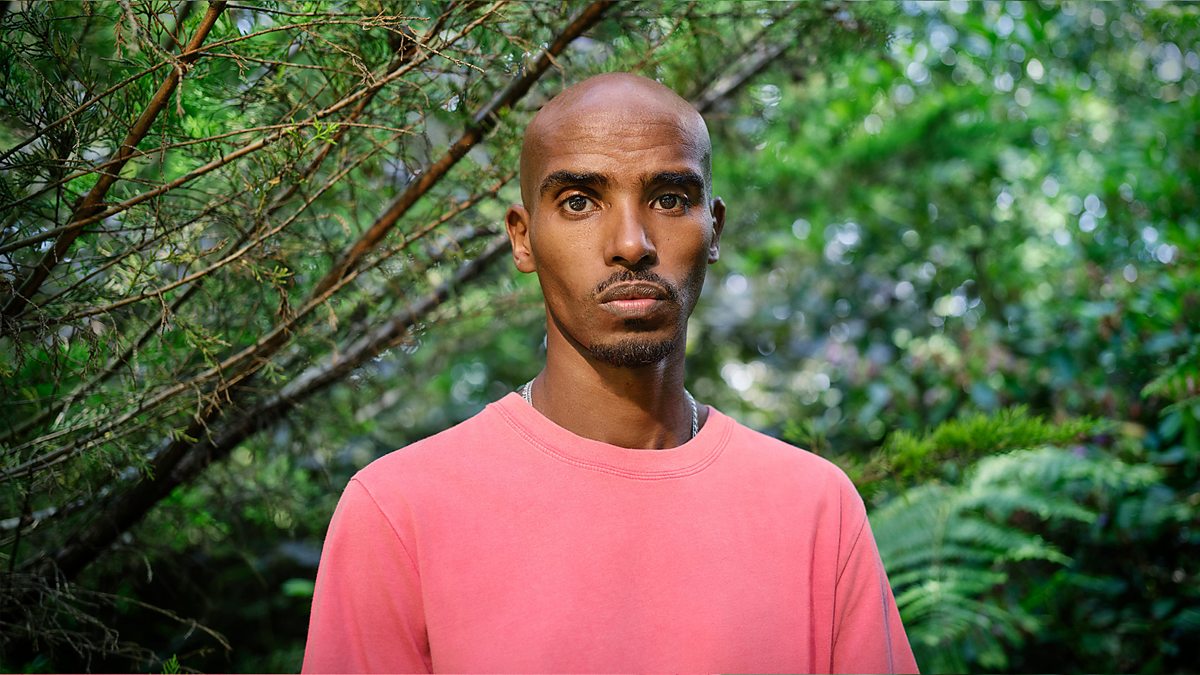
The Real Mo Farah: Athlete's Secret Identity and Trafficked Past Revealed
Sir Mo Farah is a name synonymous with unparalleled athletic achievement in the United Kingdom and across the globe. A long-distance running legend, he has amassed an astonishing ten gold medals – four Olympic and six World Championship titles – solidifying his place as one of Britain's most decorated athletes. Knighted by the Queen and celebrated with numerous accolades, including BBC Sports' Personality of the Year, Farah's public image has long been one of triumph, dedication, and national pride.
However, the celebrated athlete recently sent shockwaves through the nation with a powerful and deeply personal revelation in his groundbreaking documentary, "The Real Mo Farah." This critically acclaimed Mo Farah documentary, which first aired on BBC One, unveiled a harrowing secret he had kept for three decades: his true identity and a past marred by child trafficking and domestic servitude.
Unveiling the Hidden Truth: Mohamed Farah's Secret Identity
In a moment of breathtaking candour, Mo Farah revealed that his birth name is not Mohamed Farah, but rather Hussein Abdi Kahin. This startling confession was just the beginning of a story that brought to light the traumatic events of his childhood. At the tender age of nine, he was trafficked to the U.K. from Somaliland. The journey was facilitated by a false passport, and upon arrival, he was forced into domestic servitude for strangers.
The name "Mohamed Farah" was not his own but belonged to another child. This stolen identity became a shield, a burden, and eventually, the name under which he achieved global superstardom. The fear of his past surfacing and the potential legal repercussions, including the revocation of his British citizenship, haunted him for 30 years. His decision to finally share this deeply personal narrative underscores an extraordinary act of courage, not just for himself but for countless others who suffer in silence.
The documentary carefully explores the profound implications of living under a false identity. When Farah eventually applied for British citizenship to represent the U.K. on the international athletic stage, he did so under the name Mo Farah, as he possessed no documents bearing his birth name. This intricate web of circumstances highlights the complex challenges faced by victims of trafficking, where identity itself becomes a fluid and often terrifying construct.
A Journey of Survival and Self-Discovery
Farah's escape from domestic servitude was a pivotal moment in his young life, thanks to the perceptive intervention of his physical education teacher. This mentor, noticing signs of distress and neglect, reached out to social services, initiating a process that would ultimately free him from his captors. Yet, even after his rescue, the name Hussein Abdi Kahin remained unspoken. The trauma and the subsequent layers of his new life meant that "Mo Farah" became his accepted identity.
The resilience required to not only survive such an ordeal but to then channel that inner strength into becoming a world-beating athlete is truly astonishing. His story is a testament to the human spirit's capacity for endurance and the transformative power of sport. It forces us to reconsider the narratives behind public figures, reminding us that beneath the medals and accolades can lie profound personal struggles.
Practical Insight: The role of Mo Farah's PE teacher cannot be overstated. This highlights the crucial importance of vigilance and compassion in educational settings. Teachers, coaches, and youth leaders are often uniquely positioned to identify signs of neglect, abuse, or trafficking. Their proactive intervention can be life-changing, as it was for Mo Farah. For adults interacting with children, being observant and knowing how to safely report concerns can make all the difference.
The Making of a BAFTA-Winning Documentary: "The Real Mo Farah"
The making of "The Real Mo Farah" itself is a compelling story of journalistic integrity and unwavering commitment. Production company Atomized Studios first brought the "bare bones" of Farah's revelation to Emma Loach, the BBC's factual commissioner, under strict non-disclosure agreements. Loach's immediate reaction, "Crikey, I can’t tell anybody," perfectly encapsulates the shocking nature of the secret.
However, once assured that Farah was ready and understood the potential legal implications, the project moved forward rapidly. Red Bull Studios joined as a co-production partner, with their global head, Bernadette McDaid, calling it "such a no-brainer" to greenlight the project almost instantly. The documentary became Red Bull Studios' inaugural feature film, underscoring the universal appeal and profound significance of Farah's story.
As McDaid articulated, the Mo Farah documentary is an "investigative piece at its heart," but its true power lies in its universal themes: "the compulsion to tell the truth and need to be seen for who you are. The courage under adversity, and the raw vulnerability of Mo Farah on screen – I mean, it’s just breathtaking." The 18-month journey from pitch to delivery culminated in a film that premiered to over 4 million viewers on BBC One, sparking national and international conversations. Its impact was recognized with prestigious awards, including a BAFTA for Best Single Documentary and the Grierson Award for Best Sports Documentary, proving its profound resonance and critical acclaim.
Beyond the Track: The Broader Impact of Mo Farah's Revelation
The revelation in "The Real Mo Farah" extends far beyond the personal narrative of one athlete. It has profoundly impacted public awareness of modern slavery and child trafficking, issues that often remain hidden in plain sight. Farah's courage has given a voice to countless victims who have endured similar horrors, demonstrating that these crimes can affect anyone, regardless of future success.
His story challenges perceptions, forcing society to confront uncomfortable truths about vulnerability, identity, and the systemic failures that allow such exploitation to persist. It sparks vital conversations about immigration processes, safeguarding children, and the long-term psychological effects of trauma.
- Increased Awareness: Farah's platform has shone a spotlight on human trafficking, making it harder for people to ignore the problem. It highlights that modern slavery isn't just a distant issue but occurs within the UK.
- Empathy and Understanding: His vulnerability fosters greater empathy for survivors, helping to destigmatize the experiences of those who have been trafficked or lived under false identities.
- Call to Action: The documentary serves as an implicit call to action for governments, social services, and individuals to be more vigilant, to provide better support systems, and to combat human trafficking more effectively. Organisations like Unseen UK or the Modern Slavery Helpline offer resources for recognizing signs and reporting concerns.
- The Power of Identity: The struggle with his birth name versus his adopted name beautifully illustrates the complexities of identity for survivors, where a chosen name can be both a comfort and a reminder of a past trauma.
Conclusion
Sir Mo Farah's decision to share his real story in "The Real Mo Farah" has forever changed his legacy. He is no longer solely celebrated for his astonishing achievements on the running track, but also for his incredible bravery in confronting a traumatic past and speaking truth to power. This Mo Farah documentary offers a poignant and unforgettable look into the hidden life of a national hero, transforming him into an even more powerful advocate for those who have endured similar injustices. His story is a powerful reminder that behind every public face, there can be a private struggle, and that courage often lies not just in victory, but in the vulnerability to reveal one's true self.